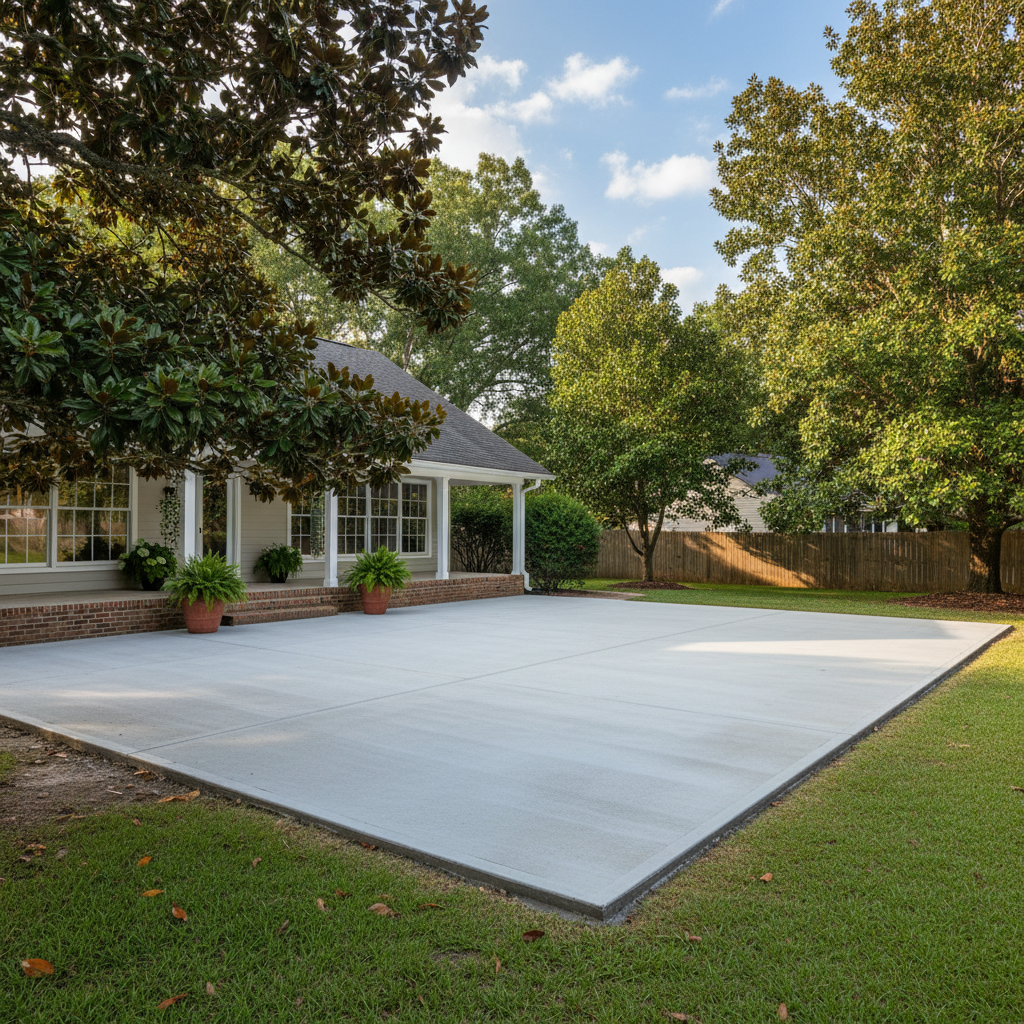
Your concrete flatwork – things like driveways, patios, and walkways – that's a real investment. You want it to last, right? Especially with our Jesup weather, you can't just pour it and then forget about it. I've seen too many folks neglect their concrete, only to face bigger, more expensive problems down the road. So, let's talk about how to keep your concrete strong and looking good for years to come.
Making Your Concrete Last Longer in Jesup
The biggest thing you can do to extend your concrete's life is actually pretty simple: keep it clean and sealed. Think of sealing like putting sunscreen on your skin, or maybe a clear coat on your car. It just protects against the elements. Here in Jesup, we get a lot of sun, some pretty heavy rains, and that humidity? It really encourages mildew and algae to grow. A good quality sealer acts as a barrier, stopping water, chemicals, and even oil stains from soaking into the concrete's surface. I usually tell people to reseal every 2-5 years. It really depends on how much traffic it gets and how much sun and rain hit it. If you've got a busy driveway, you'll want to do it more often. For a quiet backyard patio, you can probably stretch it a bit longer.
Another huge factor is drainage. Water is concrete's enemy if it isn't managed correctly. Make sure your gutters are doing their job and directing water away from your flatwork. If water constantly pools on or near your concrete, it's going to find its way in, especially if there are any tiny cracks. And when that water freezes and thaws – we don't get a ton of hard freezes here, but it happens enough to cause damage – it expands, making those small cracks bigger. That's what we call the freeze-thaw cycle, and it's a real headache for concrete.
Regular Maintenance: What You Should Be Doing
Regular maintenance isn't rocket science, but boy, does it make a difference. First off, keep it clean. Sweep off leaves, dirt, and any other debris regularly. Those things can hold moisture against the concrete, which encourages mold and mildew. Not only does that look nasty, but it can actually degrade the surface over time. If you get oil or grease spills, clean them up as quickly as you possibly can. The longer they sit, the harder they are to remove, and the more likely they are to stain permanently.
For general cleaning, a good scrub brush, some mild detergent, and a hose usually do the trick. For tougher stains or widespread mildew, a pressure washer can be your best friend. Just be careful with the pressure, though; too high, and you can actually damage the concrete surface, especially if it's older or not properly sealed. Start with a lower setting and slowly work your way up. I've seen folks blast off their sealer or even etch the concrete because they got too aggressive with it. If you're not comfortable, you can always call us at Top Notch Concrete Solutions. We can give you some pointers or even do it for you.
- Sweep regularly to remove loose debris.
- Clean spills immediately to prevent staining.
- Use a mild detergent and brush for general cleaning.
- Consider pressure washing for tougher dirt, but use caution.
- Keep an eye on any plants or tree roots growing too close to your concrete. Roots can be incredibly powerful and lift or crack slabs over time.
Warning Signs of Concrete Problems
Knowing what to look for can save you a lot of headaches and money down the line. Don't ignore these signs:
- Cracks: Hairline cracks are pretty common and often not a huge deal, especially with our expansive clay soils here around Jesup. But if they start getting wider than a credit card, or if they're spreading rapidly? That's a definite red flag.
- Spalling or Flaking: This is when the surface of the concrete starts to peel, flake, or pit. It usually means water has gotten into the concrete and is causing damage from within, often due to freeze-thaw cycles or maybe poor quality concrete from the start.
- Uneven Slabs: If one section of your driveway or patio is noticeably higher or lower than the one next to it, that's a trip hazard and a sign of significant settlement. This could be because of soil erosion underneath or improper compaction during installation.
- Discoloration or Stains You Can't Remove: While some stains are just cosmetic, widespread, deep discoloration could indicate water intrusion or chemical damage.
- Pitting: Small holes or craters on the surface. This can be caused by aggregate popping out or de-icing salts, though we don't use much salt here in Jesup.
When to Call a Professional
Look, some things you can handle yourself, but there are times when you really need to bring in the pros. If you see any of those serious warning signs – wide cracks, significant spalling, or uneven slabs – don't wait. These issues usually point to underlying problems that a DIY fix just won't solve. Trying to patch a major crack without addressing the cause is like putting a band-aid on a broken leg; it just won't hold up, will it?
If you're unsure about the best way to clean a tough stain, or if you're thinking about resealing and want to make sure you use the right product for our climate, give us a shout. We've been working with concrete all over Wayne County for a long time, from the older homes near downtown to the newer subdivisions out past the bypass. We know what works and what doesn't. We can assess the situation, tell you what's going on, and give you honest advice on whether it's a simple repair, a full replacement, or just some good old-fashioned maintenance. Don't let a small problem turn into a big one. It's always better to catch these things early.