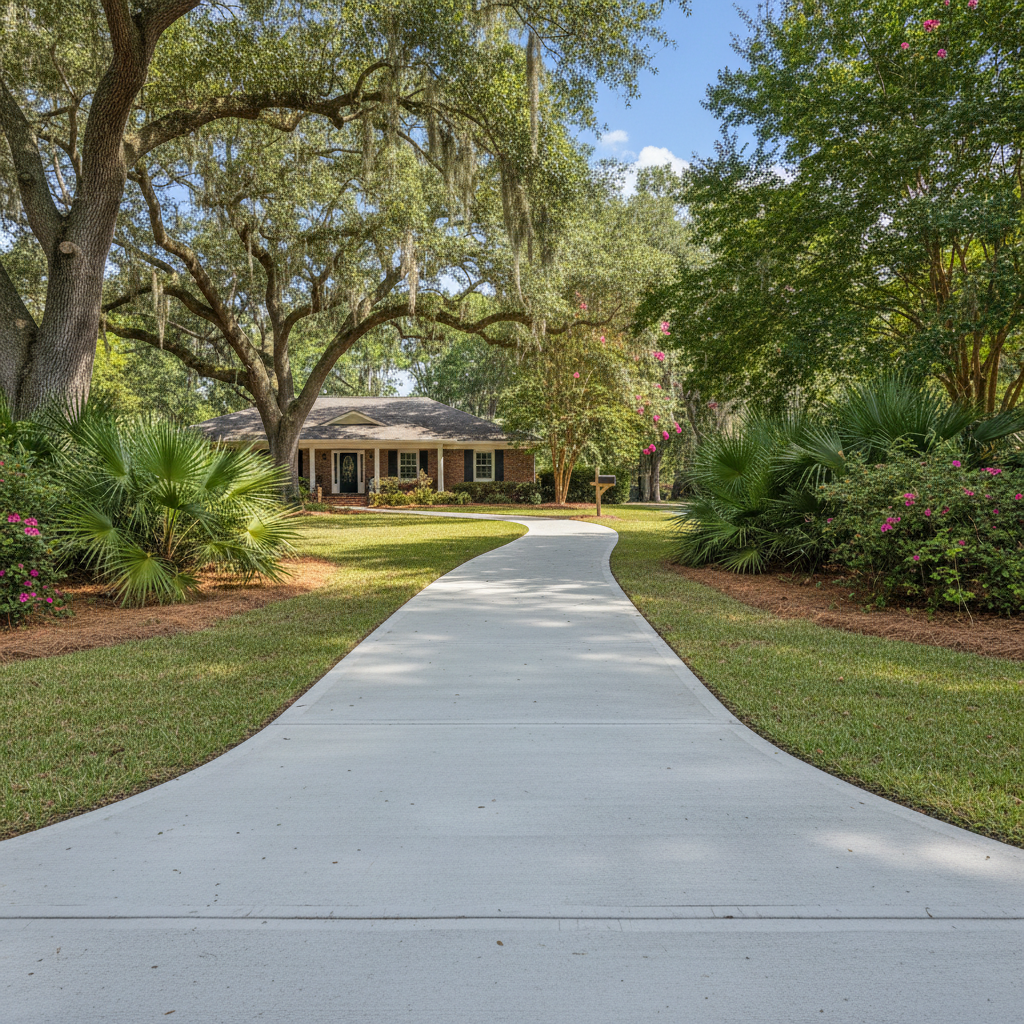
Your Jesup Sidewalks: What I've Learned About Keeping Them Solid
Nobody wants a cracked-up, uneven sidewalk. It's not just an eyesore, right? It's a trip hazard, and it can really drag down your property's curb appeal. Here in Jesup, with our humid climate and occasional heavy rains, concrete sidewalks take a beating. But you know what? A little bit of care goes a long way. I've been pouring and repairing concrete around here for years, and I've seen firsthand what works and what absolutely doesn't to keep your sidewalks in top shape.
Regular Maintenance: It's Simpler Than You Think
You don't need some fancy routine to extend the life of your concrete. Most of it is just common sense. First off, keep it clean. Sweep off dirt, leaves, and debris regularly. Those things can hold moisture against the concrete, and over time, that's just not good. If you've got mildew or algae growing, especially in shady spots like under those big live oak trees we have, hit it with a pressure washer or a stiff brush and some mild detergent. Just don't go too crazy with the pressure washer, though; you don't want to etch the surface.
Another big one is sealing. I can't stress this enough, especially for our climate. A good quality concrete sealer acts like a shield. It protects your sidewalk from moisture penetration, freeze-thaw cycles (even though we don't get a ton of hard freezes here, it still helps), and stains. I usually recommend reapplying a penetrating sealer every few years. It's an investment, sure, but it pays off big time by preventing bigger problems down the road.
Got any small cracks? Don't ignore 'em. Fill them with a good quality concrete caulk or crack filler. It stops water from getting underneath and washing away the sub-base, which is a major cause of settlement and bigger cracks later on.
Warning Signs You Shouldn't Ignore
You're walking your dog down the sidewalk, or just getting the mail, and you notice something. What should you be looking for? Here are the red flags:
- Hairline cracks turning into wider ones: Small cracks are normal, but if they start growing or you can stick a credit card in them, that's a problem.
- Uneven sections or tripping hazards: If one slab has sunk or lifted compared to its neighbor, that's a clear sign of sub-base issues. This often comes from water erosion or poor compaction when it was first laid.
- Spalling or flaking: This is when small pieces of the concrete surface start to break off. It usually means water got into the concrete and froze, or there was a weak spot in the mix.
- Pitting: Little holes or craters appearing on the surface. This can be from de-icing salts (though we don't use much here) or just general wear and tear combined with moisture.
- Persistent moss or algae: If it's constantly growing back, it means your concrete is holding too much moisture, which can lead to other issues.
When It's Time to Call a Pro (Like Us!)
Look, I'm all for DIY, but some things are best left to the experts. You should definitely give Top Notch Concrete Solutions a call if you see any of these:
- Major cracking: If you've got cracks that run all the way through a slab, or a spiderweb pattern of cracks, that's structural.
- Significant settling or lifting: If a section of your sidewalk has dropped more than an inch or two, or if it's heaving up, that's a major sub-base problem that needs more than just a patch. We can often lift and level these with specialized equipment, saving you a full replacement.
- Drainage issues: If water is consistently pooling on your sidewalk after a rain, or running towards your foundation, that's a design or settlement issue we can help diagnose and fix.
- Large-scale spalling or deterioration: If a big chunk of your sidewalk surface is crumbling, it's probably beyond a simple repair.
- Tree root intrusion: Our sandy loam soil here in Wayne County means tree roots can really push up concrete. If you've got big roots causing problems, we can assess the situation and recommend the best way to deal with it, whether it's root removal (carefully!) or rerouting the sidewalk.
Don't wait until your sidewalk is a complete mess. Catching these problems early can save you a lot of money and hassle. Give us a shout if you're not sure—we're always happy to take a look.