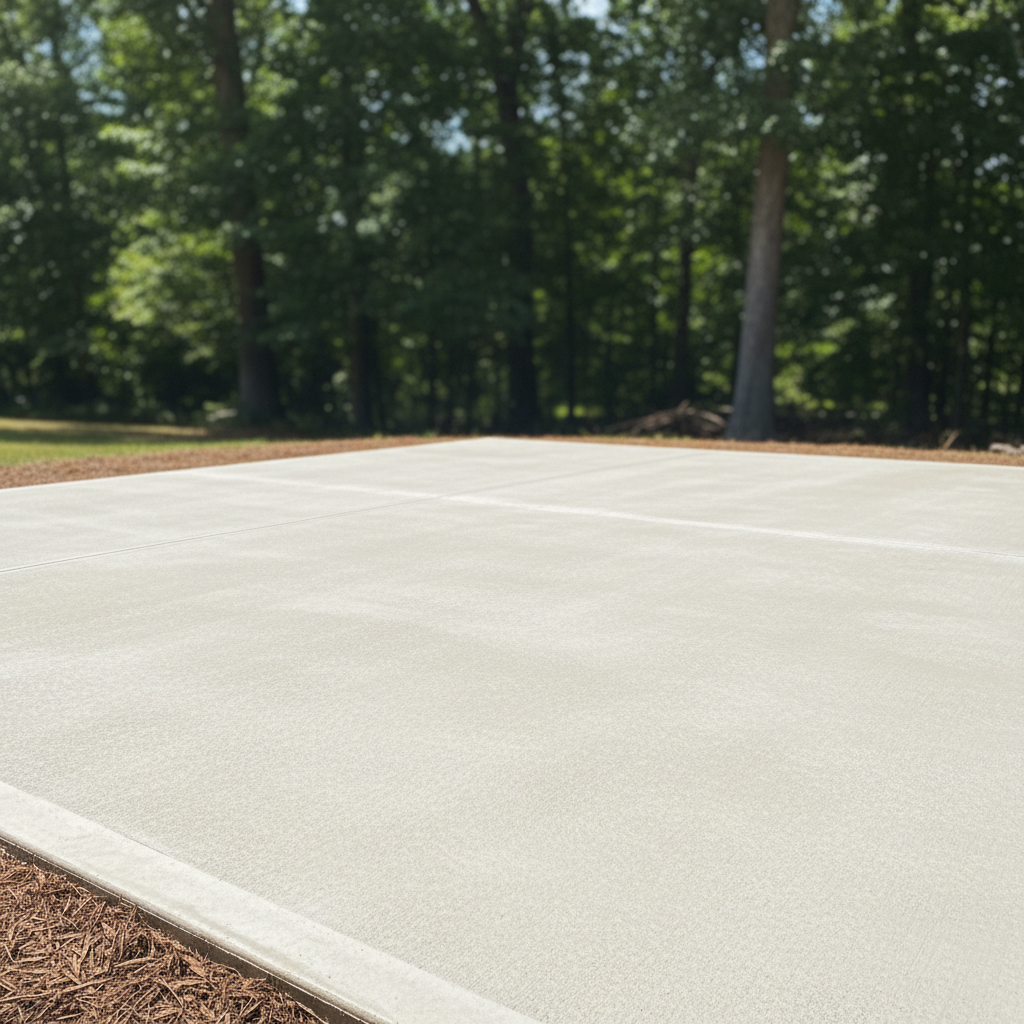
What’s the real deal with concrete patios? Are they actually durable?
Absolutely, they are. When done right, a concrete patio is one of the toughest, most long-lasting additions you can make to your home. We're talking decades of use, not just a few years. Think about it: concrete is what they build bridges and highways out of. It can handle our Jesup heat, the occasional freeze we get, and even those heavy summer downpours without flinching. The key is proper installation – that means good sub-base prep, the right mix, and correct curing. Skimp on any of that, and you'll run into trouble. But a well-built concrete patio? It's a workhorse.
How long does a concrete patio project usually take from start to finish?
That's a question I get a lot, and it really depends on the size and complexity of the job. For a standard 10x10 or 12x12 patio, we can usually get the excavation, sub-base, forms, and pouring done in a day or two. Then there's the curing time. You can typically walk on it after 24-48 hours, but you'll want to keep heavy furniture or vehicles off it for at least 7 days, and ideally 28 days for it to reach its full strength. If you're talking about a bigger, more intricate design with stamping or special finishes, that'll add some time, maybe an extra day or two for the decorative work. So, from the first shovel in the ground to being ready for a BBQ, you're usually looking at about a week to a month, depending on how patient you are and what kind of finish you choose.
Do concrete patios crack? And what can I do to prevent it?
Look, concrete shrinks as it dries, and that shrinkage creates stress. So, yes, concrete can crack. It's almost impossible to prevent every single hairline crack over the lifetime of a patio, but we can definitely control where those cracks happen and minimize them. The main way we do that is with control joints – those grooves you see in concrete. We cut them into the slab at specific intervals, usually no more than 10-12 feet apart, and they act as planned weak points. When the concrete wants to crack, it'll crack along those lines, keeping it neat and tidy instead of a big, random spiderweb. Proper sub-base preparation, ensuring good drainage, and using the right concrete mix with fiber mesh reinforcement also play a huge role. Don't let anyone tell you they can guarantee a crack-free patio; they're not being honest. But we can absolutely build one that looks great and performs well for years, even with those inevitable tiny stress lines.
What kind of design options do I have beyond just plain gray?
Oh man, the options are practically endless these days! Plain gray is always an option, and it's classic, but you've got so many ways to customize it. We can add color to the concrete itself, either integral color mixed right in or a color hardener applied to the surface. Then there's stamping – that's where we use big rubber mats to press patterns into the wet concrete, making it look like brick, flagstone, wood planks, or even slate. It's a fantastic way to get a high-end look without the high-end price of natural materials. We can also do exposed aggregate, which shows off the small stones in the mix, or even polished concrete for a really sleek, modern feel. Don't forget about borders, different textures, and even custom designs. You can really make your patio unique and match it perfectly to your home's style. Top Notch Concrete Solutions can show you plenty of examples.
How much maintenance does a concrete patio require?
Honestly, not much at all, which is one of its biggest selling points. Compared to wood decks that need regular staining or sealing, or pavers that can shift and get weeds, concrete is pretty low-key. The biggest thing is keeping it clean. A simple sweep and occasional rinse with a hose usually does the trick. For tougher stains, a little mild detergent and a brush will work. I always recommend sealing your concrete patio every 2-5 years, depending on how much sun and traffic it gets. That sealant protects it from stains, makes it easier to clean, and helps it resist weathering. That's about it. No major repairs or replacements needed if it's installed correctly.
Is a concrete patio a good investment for my home in Jesup?
Absolutely, it is. Think about it: you're adding usable outdoor living space. That's a huge draw for potential buyers down the road, and it significantly improves your own enjoyment of your home right now. People love having a dedicated spot for grilling, entertaining, or just relaxing outside. Plus, as I said, concrete patios are durable and require minimal maintenance, so you're not pouring money into upkeep year after year. Compared to other patio materials, concrete offers a fantastic blend of affordability, durability, and versatility in design. It's a solid investment that pays dividends in both lifestyle and property value, especially in our area where outdoor living is a big part of life.