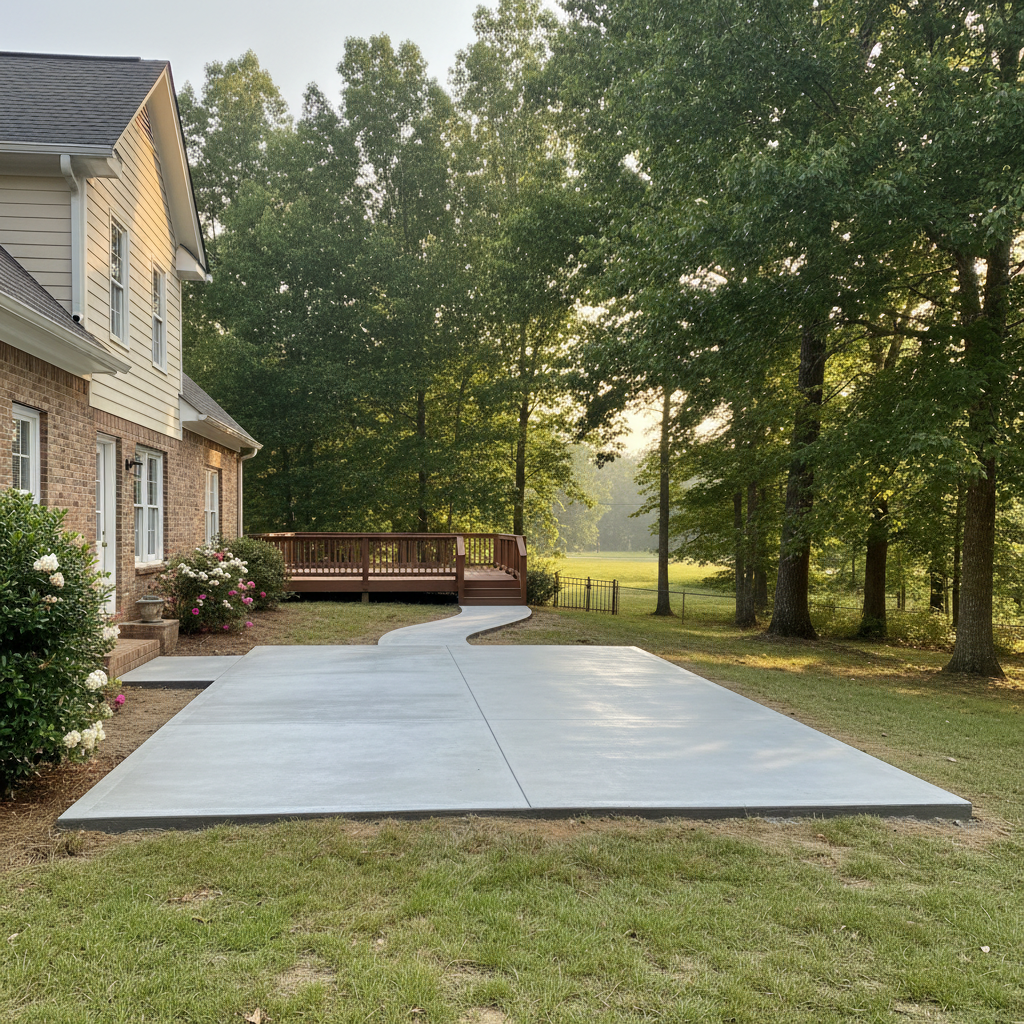
You've got concrete flatwork on your property, or maybe you're thinking about adding some. That's great! But down here in Jesup, our weather isn't always the easiest on things. It's not just about getting the job done; it's about getting it done right and making sure it lasts. I've seen a lot of concrete come and go in Wayne County, and I've got some tips on how to protect your investment.
When's the Best Time to Pour Concrete Around Here?
This is probably the most common question I get. Everyone wants to know the 'perfect' time. The truth is, there's no single perfect day, but there are definitely better seasons. For us, spring and fall are usually your best bets. Why? Because the temperature is more consistent. Concrete cures best when it's not too hot and not too cold. We're looking for that sweet spot, usually between 50 and 80 degrees Fahrenheit.
In the spring, you've got milder temperatures, and the ground isn't frozen, which isn't a huge issue for us in Jesup, but it's still a factor for proper curing. The humidity is often moderate too, which helps. Fall is similar – you avoid the brutal summer heat, and the ground's had all summer to dry out a bit. You want to make sure you get it done before those first real cold snaps hit, though. If you're planning a new driveway or patio, getting it on the schedule for spring or fall means you're setting it up for success right from the start.
Summer Pours: Can They Be Done?
Absolutely, but it's trickier. Our Jesup summers are no joke. We're talking scorching heat, high humidity, and afternoon thunderstorms that pop up out of nowhere. When it's really hot, concrete can dry too fast. That rapid drying can lead to shrinkage cracks, and nobody wants that. If we're pouring in the summer, we've got to take extra precautions. We might use admixtures to slow down the set time, or we'll work in smaller sections. We'll also be on high alert for those sudden downpours. Rain on fresh concrete can ruin the surface, washing away the cement paste and leaving you with a weak, sandy finish. It's not impossible, but it requires careful planning and quick work.
Winter Work: What About the Cold?
Our winters aren't usually severe, but we do get those cold snaps where temperatures dip below freezing. Pouring concrete in freezing weather is a big no-no unless you're taking extreme measures like using insulated blankets, heaters, and special concrete mixes. The water in the concrete can freeze before it properly cures, expanding and causing serious damage to the concrete's structure. It'll be weak, brittle, and prone to flaking. I'd generally advise against winter pours unless it's an absolute emergency and you're ready to invest in the extra cold-weather protection needed. It's just not worth the risk for most residential projects.
Protecting Your Concrete Investment Year-Round
Once your concrete is in, you want it to last. Here's what I tell folks:
- Seal it Up: This is huge, especially for driveways and patios. A good quality sealer protects against moisture penetration, stains, and even helps prevent freeze-thaw damage. I recommend resealing every 2-5 years, depending on traffic and exposure. It's like sunscreen for your concrete.
- Clean Regularly: Sweep off dirt, leaves, and debris. Pressure washing can be great, but don't go too high on the PSI, especially on older concrete. You don't want to etch the surface.
- Watch for Cracks: Small cracks are normal with concrete, it's just the nature of the material. But if you see them growing or new, larger ones appearing, get them looked at. Catching them early can prevent bigger problems down the road. We can often fill and seal them to stop water intrusion.
- Drainage is Key: This is a big one for us in Jesup. We get a lot of rain. Make sure water isn't pooling on or around your concrete. Proper grading and drainage are essential to prevent water from undermining your slab or causing issues with freeze-thaw cycles. If water is constantly sitting on your patio, it's going to break down faster.
- Be Careful with Chemicals: De-icers can be really harsh on concrete, especially those with ammonium nitrates or sulfates. If you absolutely have to use something for ice, look for products that are concrete-safe. But honestly, a good old shovel is often your best bet.
- Heavy Loads: Don't park heavy equipment or vehicles on concrete that wasn't designed for it. A standard residential driveway isn't built for an 18-wheeler.
Look, concrete's tough, but it's not invincible. A little bit of care goes a long way in making sure your investment lasts for decades. If you've got questions about your concrete or need some work done, don't hesitate to give us a shout at Top Notch Concrete Solutions. We're here to help you get it right.