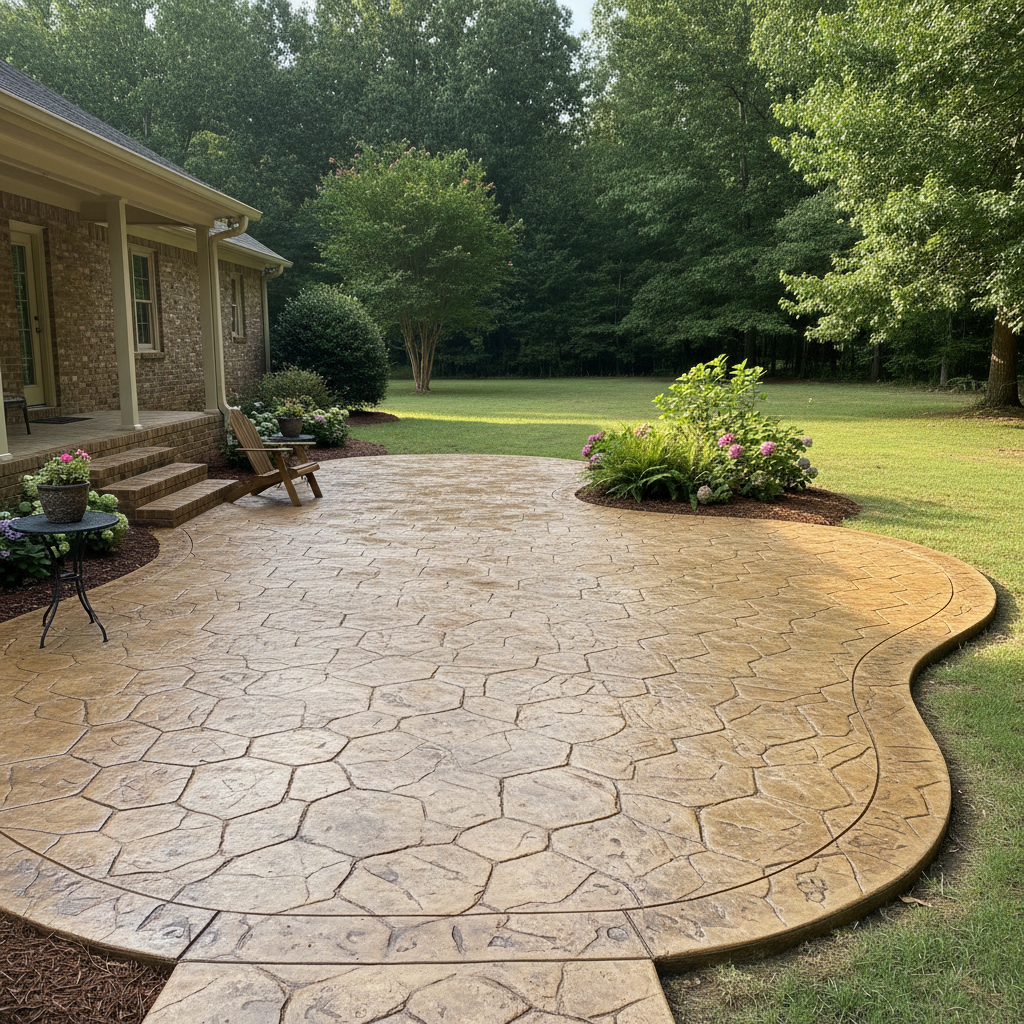
Alright, so you've got a concrete project brewing for your home here in Jesup. Maybe it's a new driveway, a patio extension, or even a foundation for that shed you've been dreaming about. Whatever it is, you know you need a good concrete contractor to get the job done right. But how do you actually find one? It's usually not as simple as just picking the first ad you see.
I've been pouring concrete around here for years, and believe me, I've seen it all – the good, the bad, and the downright ugly. So, let me give you some straight talk on how to pick a solid crew for your project.
What Should You Ask Potential Contractors?
When you're chatting with contractors, don't be shy. You're putting good money into this, so you deserve real answers. Here are some key questions I'd hit them with:
- How long have you been in business, specifically around Jesup or the surrounding area? Experience really matters, and local experience even more so. Someone who understands our soil conditions – especially that sandy loam we often deal with near the Altamaha River – will know how it affects concrete work.
- Can you give me references from recent jobs? And I don't mean just one or two. Ask for three to five. Then, here's the important part: actually call them. Ask about how they communicated, if they stuck to the schedule, and if they'd hire the contractor again.
- What's your process for preparing the site? This is huge, truly. A good contractor will talk about proper grading, compacting the sub-base, and setting forms correctly. If they just gloss over this, well, that's a red flag.
- What kind of concrete mix do you use, and what's its PSI? For most residential flatwork, you'll want at least a 3000 PSI mix. For driveways or areas that see heavy use, 3500-4000 PSI is better. They should know this right off the top of their head.
- How do you handle expansion joints and control joints? These are absolutely critical for stopping cracks. They should have a clear plan for where and how often they'll put them in.
- What's the project timeline, and what's your payment schedule? Get clear expectations right upfront. You shouldn't be paying the whole amount before the job is finished and you're happy with it.
- Are you licensed and insured? This isn't just a formality; it protects you, the homeowner. We'll talk more about this in a bit.
Decoding the Quote: What to Really Look For
You'll probably get a few quotes, and they might all look a little different. Don't just pick the cheapest one, okay? A detailed quote actually tells you a lot about how professional a contractor is. Here's what I expect to see in a good one:
- Clear Scope of Work: It should clearly say what's included. Does it cover removing old concrete? What about hauling away debris? Is rebar or wire mesh part of the deal?
- Material Specifications: The type and PSI of concrete, any additives, and details about reinforcement.
- Measurements: The exact square footage or cubic yards they're quoting for.
- Breakdown of Costs: Labor, materials, equipment, permits (if you need them) – a good quote will itemize these or at least give you a clear idea of what makes up the total.
- Warranty Information: What kind of guarantee do they offer on their work?
- Payment Terms: How much deposit do they need? When are progress payments due? What's the schedule for the final payment?
If a quote is just a single number scribbled on a napkin, honestly, just walk away. You need specifics.
Red Flags You Can't Afford to Ignore
I've seen people get burned, and it usually starts because they overlooked these warning signs:
- High-Pressure Sales Tactics: